Move from mechanism to purchase
Use one record for each decision rather than combining selection, preparation and procurement into one vague checklist.
The guide sequence connects bench evidence, plant control and delivered-product identity.
 WATER TREATMENT PAMSELECTION & OPERATING RECORDSSend water data ↗
Eight operating guides cover PAM mechanism, ionic selection, jar tests, preparation, chemical sequence, active dose, potable-use documents and RFQs.
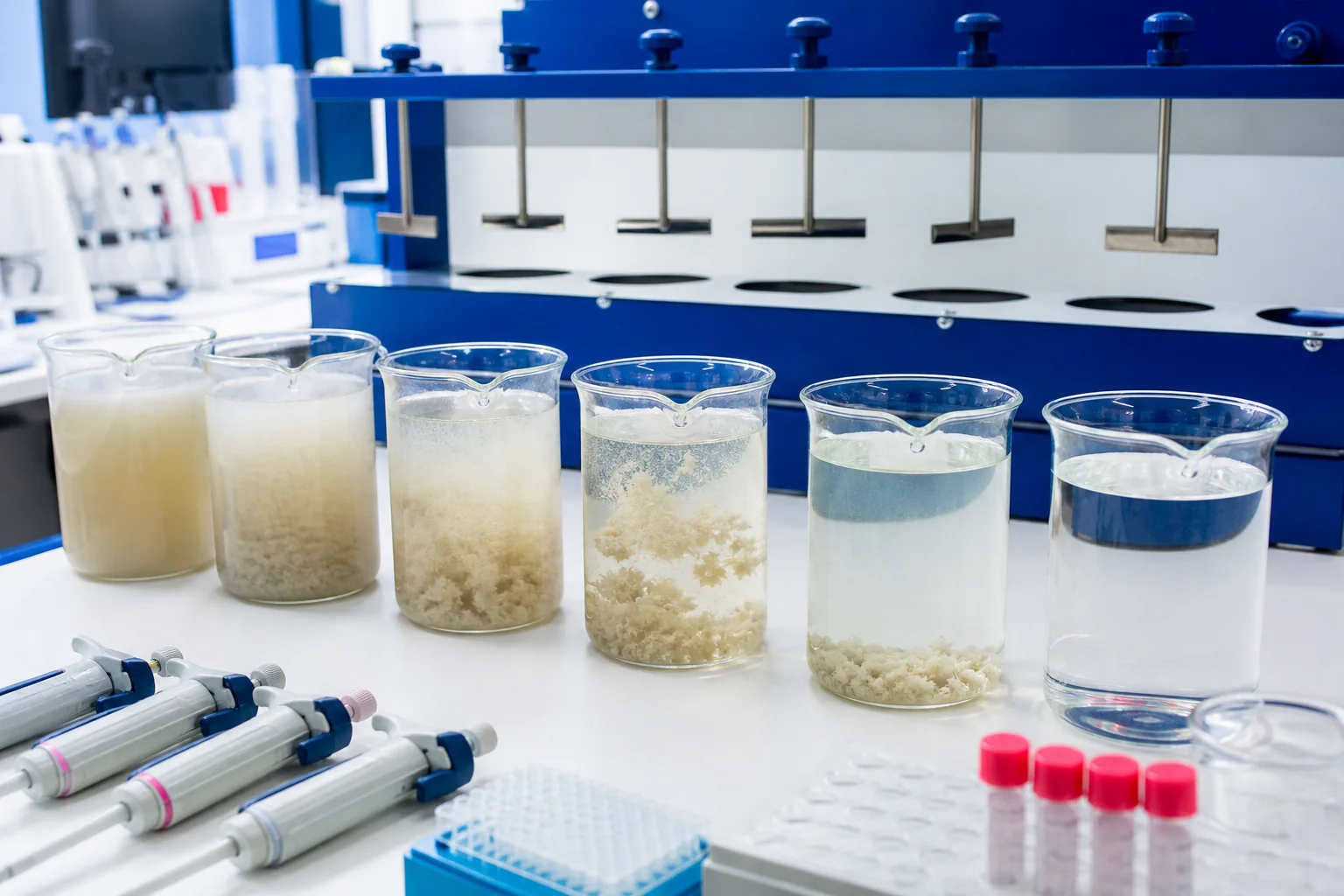
Use one record for each decision rather than combining selection, preparation and procurement into one vague checklist.
The guide sequence connects bench evidence, plant control and delivered-product identity.
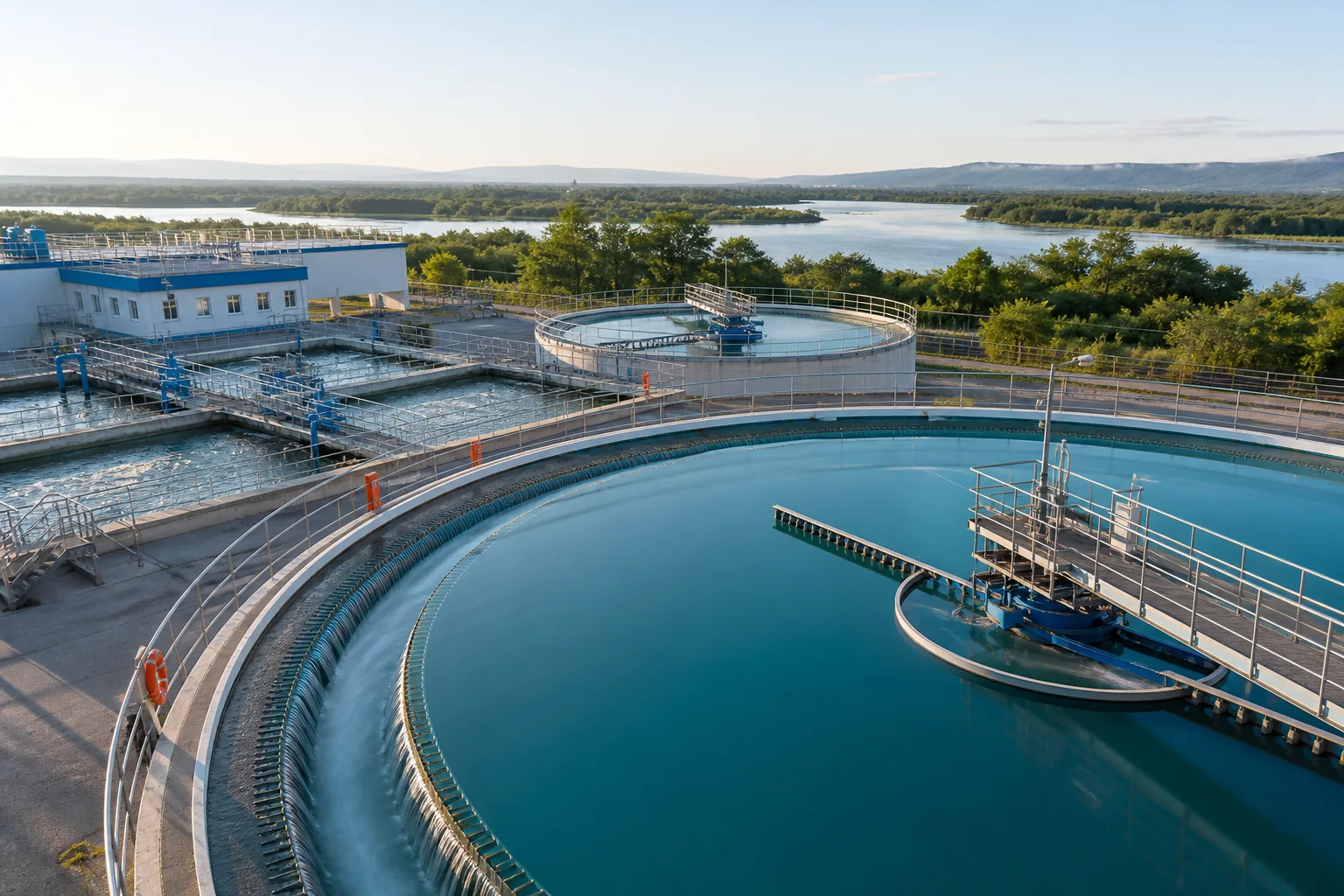
Understand polymer bridging, ionic interaction, coagulation sequence, preparation and the measurements needed to approve PAM in water treatment.
Open treatment record →Choose anionic, cationic or nonionic PAM from particle chemistry, treatment sequence, jar-test evidence and the actual separation endpoint.
Open treatment record →Run a PAM jar test with representative water, controlled coagulant sequence, active-dose curves, floc strength and clarified-water measurements.
Open treatment record →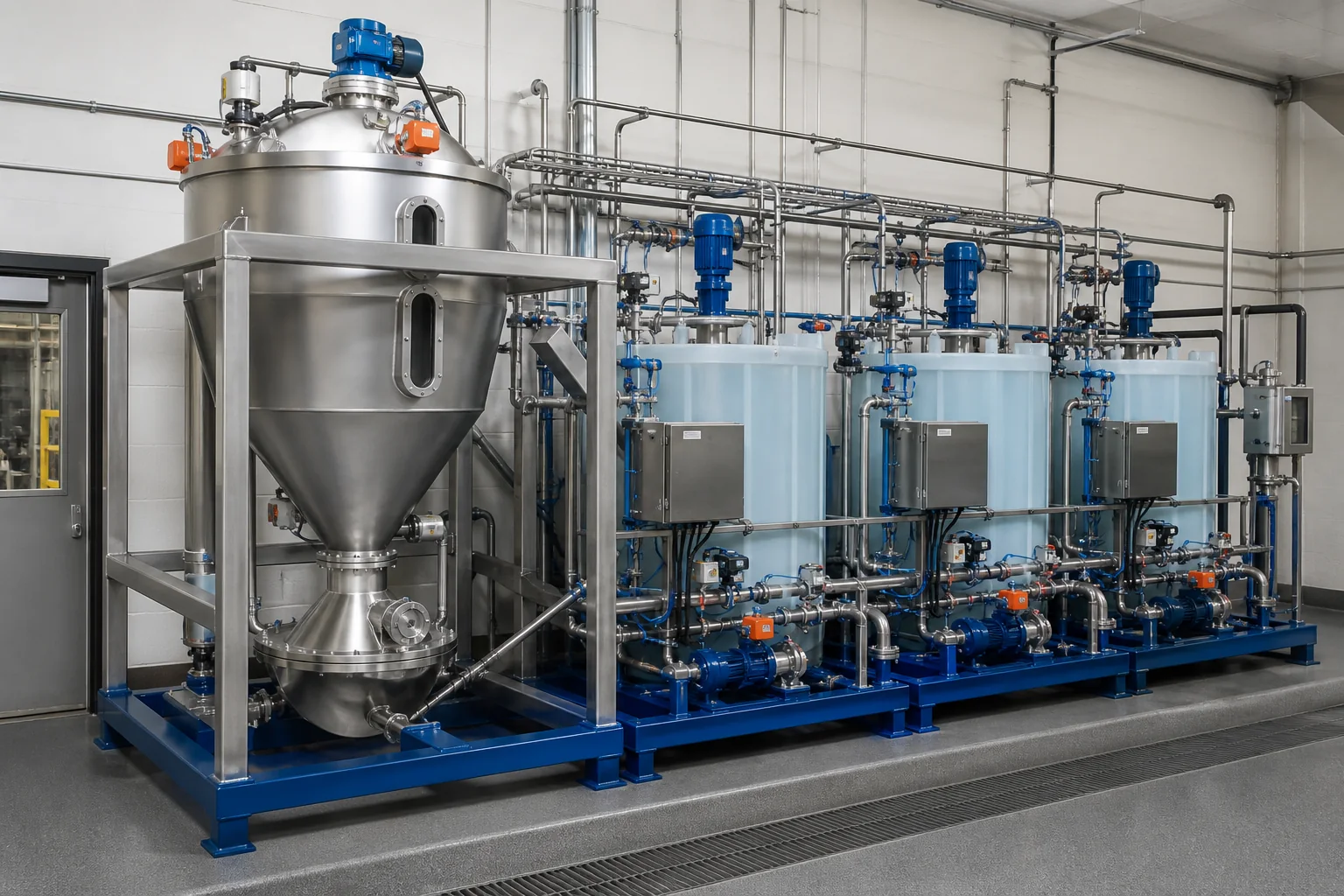
Prepare dry PAM for water treatment by controlling wetting, concentration, mixing, aging, transfer, calibration and solution-age evidence.
Open treatment record →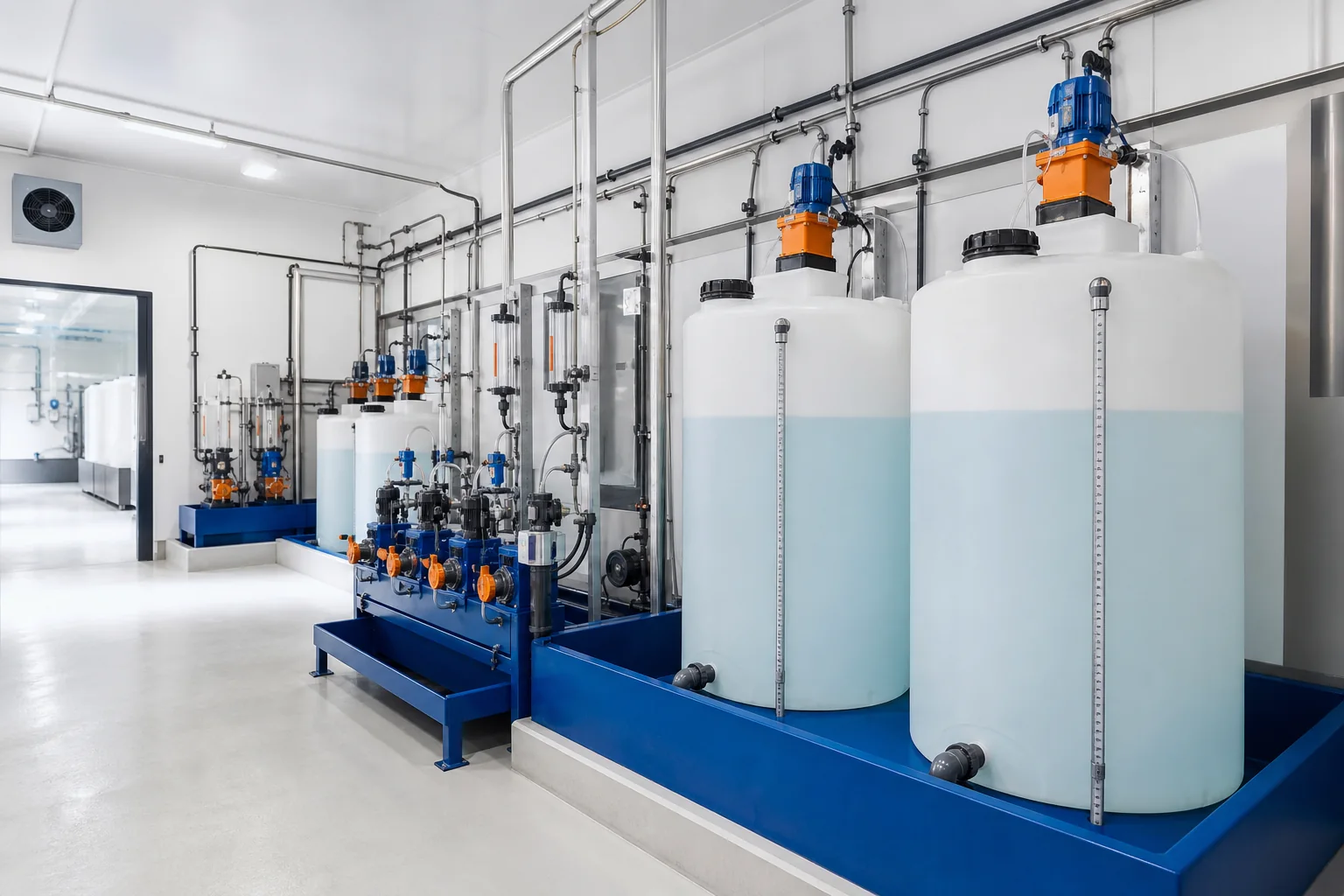
Set metal coagulant, pH adjustment and PAM addition order from particle destabilization, mixing, delay, floc growth and settled-water evidence.
Open treatment record →Calculate PAM dose from product active content, water flow, solution concentration and pump output, then connect the number to treatment evidence.
Open treatment record →Review residual acrylamide controls, exact-product certification, maximum use level, receiving records and change control before potable-water PAM use.
Open treatment record →
Prepare a water-treatment PAM RFQ with feed chemistry, process sequence, test endpoints, product documents, packaging and delivery requirements.
Open treatment record →